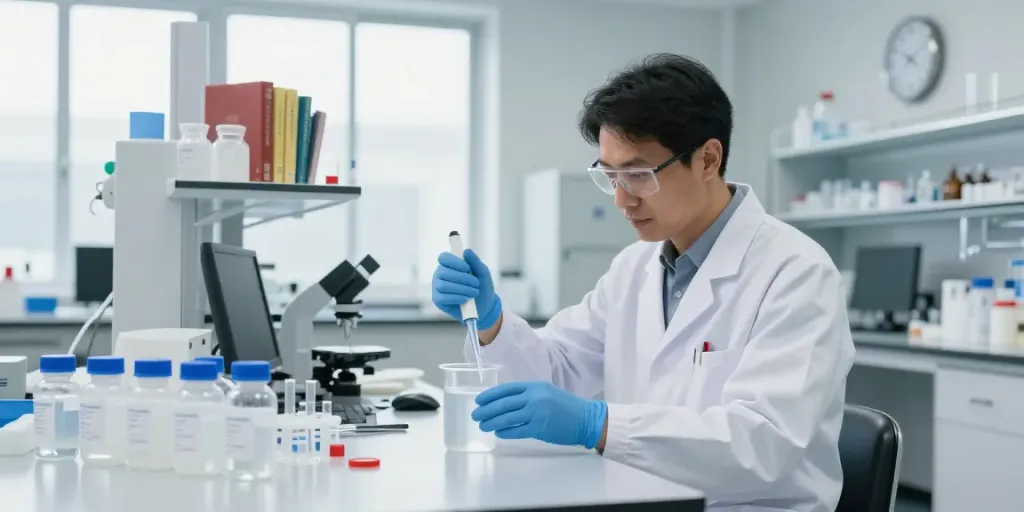
Understanding Bac Water for Peptides
As the field of peptide research continues to expand, the importance of understanding various solutions used in handling peptides becomes crucial. One such solution is bacteriostatic water, commonly referred to as bac water. This sterile solution is essential for reconstituting peptides, enhancing their effectiveness, and ensuring their stability during storage. Understanding bac water for peptides can significantly impact the research outcomes and efficacy of peptide applications.
What is Bac Water?
Bac water, or bacteriostatic water, is a sterile water solution that includes 0.9% benzyl alcohol. This alcohol acts as a preservative that inhibits bacterial growth. The primary use of bac water is to dilute and reconstitute powdered peptides for research purposes. Since peptides are sensitive compounds, the use of bac water is critical in ensuring they remain stable and effective after reconstitution.
Composition and Properties
The composition of bac water provides several attributes that are particularly beneficial for peptide storage and reconstitution:
- Sterility: Bac water is produced under strict sterile conditions to prevent contamination.
- Benzyl Alcohol: The 0.9% benzyl alcohol concentration effectively prolongs the shelf life of the solution and diminishes the risk of bacterial contamination.
- pH Neutrality: Bac water is typically pH balanced, which is essential for maintaining the stability of various peptides.
Importance in Peptide Storage
The role of bac water in peptide storage cannot be overstated. Peptides can degrade rapidly if not stored correctly, leading to loss of efficacy and potential safety concerns. By using bac water, researchers can extend the shelf life of peptides, ensuring that they remain potent and available for use over an extended period.
Preparation Techniques
Step-by-Step Guide to Reconstitution
Reconstituting peptides with bac water requires careful handling to maintain sterility and effectiveness. Here is a step-by-step guide:
- Gather Materials: Prepare the powdered peptide vial, a vial of bac water, a syringe, and alcohol swabs.
- Clean Surface: Sterilize your work area to prevent contamination.
- Alcohol Swab: Use an alcohol swab to clean the top of both the peptide and bac water vials.
- Draw Bac Water: Use a sterile syringe to draw the required amount of bac water. The amount depends on the peptide concentration needed.
- Inject into Peptide Vial: Slowly inject the bac water into the peptide vial, aiming for the side of the vial to minimize foaming.
- Mix Gently: Swirl the vial gently to mix the solution; avoid vigorous shaking to maintain peptide integrity.
- Store Properly: After reconstitution, store the peptide solution in a refrigerator as per recommended guidelines.
Common Mistakes to Avoid
When reconstituting peptides with bac water, researchers must be aware of common pitfalls:
- Not Using Sterile Techniques: Always ensure that surfaces and materials are sterile to avoid contamination.
- Incorrect Dosage: Measure the proper bac water volume according to the manufacturer’s instructions to ensure effective reconstitution.
- Exposing Peptides to Room Temperature: Peptides should be kept refrigerated once reconstituted to prevent degradation.
Best Practices for Handling
To ensure the longevity and efficacy of bac water when used for peptides, adhere to the following best practices:
- Avoid Light Exposure: Store bac water in dark conditions to prevent degradation caused by light.
- Use within the Recommended Time Frame: Follow guidelines for how long reconstituted peptides can be safely used.
- Monitor for Cloudiness: If the solution appears cloudy or discolored, it could indicate contamination, and it should be discarded.
Benefits of Using Bac Water
Prolonging Peptide Shelf Life
The primary benefit of bac water is its ability to prolong the shelf life of peptides. When stored correctly, peptides can remain stable for weeks or even months, allowing researchers to maximize their usage without frequent reconstitution. This is especially beneficial for those working in controlled research environments where time and resources are limited.
Enhancing Stability and Effectiveness
Bac water not only extends shelf life but also enhances the stability of peptides. The presence of benzyl alcohol reduces the risk of microbial growth, allowing peptides to retain their effectiveness over time. This is vital for researchers who rely on accurate and reliable results in their experiments.
Cost Efficiency for Research
Using bac water can lead to significant cost savings in the long run. By allowing multiple uses from a single vial of peptide, researchers can reduce the frequency of purchases, thus optimizing their budgets. This is particularly important in academic and private research environments where funding may be limited.
Comparative Analysis with Other Solutions
Bac Water vs. Sterile Water
While sterile water can be used to dilute peptides, it lacks the antibacterial properties of bac water. Without the benzyl alcohol, sterile water does not provide the same level of protection against microbial contamination, risking the integrity of the peptide solution. Thus, bac water is generally the preferred choice for reconstitution.
Using Acetic Acid vs. Bac Water
In some cases, researchers might consider using acetic acid as an alternative to bac water. However, acetic acid can alter the pH of the peptide solution, potentially affecting its stability and function. Bac water, on the other hand, maintains a neutral pH, making it a more suitable option for most peptides.
Consumer Insights on Solution Preferences
Market trends indicate a strong preference among researchers for bac water over other diluents. Surveys show that the majority of users value the dual benefits of preserving peptide integrity and reducing contamination risks. As research demands continue to grow, the reliance on effective solutions like bac water will likely intensify.
Future Trends in Peptide Research
Innovations in Bac Water Formulations
As the peptide research landscape evolves, innovations in bac water formulations are expected. Future formulations may include enhanced preservatives or additional stabilizing agents that increase the shelf life and effectiveness of peptides, driving research advancements further.
Emerging Research in 2026
The year 2026 is poised to showcase groundbreaking research in peptide applications, particularly in pharmaceuticals and biotechnology. Studies aimed at optimizing reconstitution techniques and exploring alternative preservatives will likely emerge, offering new insights into the use of bac water.
Regulatory Changes and Impacts
As the demand for peptides grows, regulatory bodies are expected to tighten guidelines surrounding the production and use of bac water. Researchers need to stay informed about potential regulatory changes to ensure compliance and maintain the integrity of their research processes.