Understanding Bed Bug Heat Treatment
What is Bed Bug Heat Treatment?
Bed bug heat treatment is a pest control method that utilizes high temperatures to eliminate bed bugs and their eggs. This technique has gained popularity due to its effectiveness and non-toxic nature, making it an ideal choice for households looking to avoid chemical treatments. The process involves raising the temperature of infested areas to a level lethal to all bed bug life stages, from adult insects to their eggs.
How Does Heat Treatment Work?
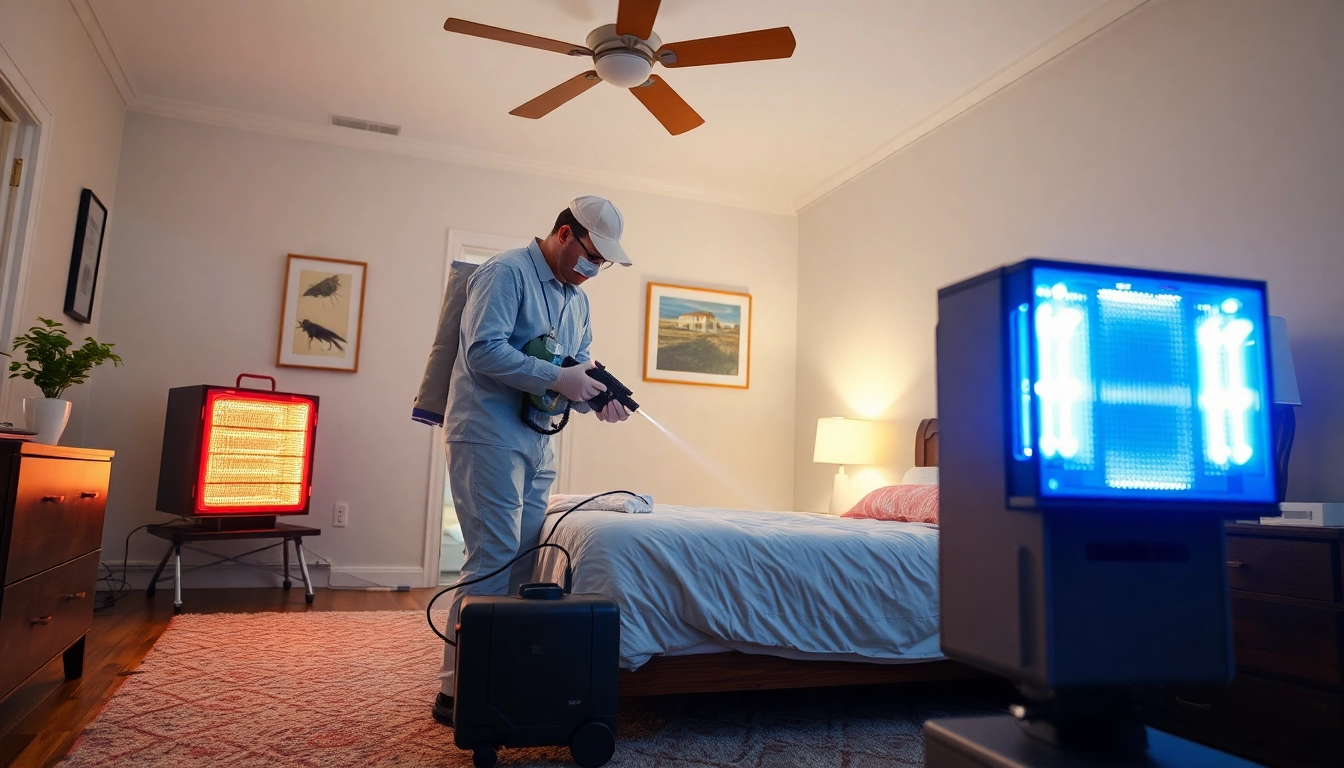
The principle behind heat treatment is relatively straightforward: bed bugs cannot survive at temperatures above 120°F. During the treatment, professional exterminators use specialized heaters to elevate the temperature in the infested environment. They typically aim for an ambient temperature of around 135°F, maintaining this heat for several hours to ensure complete eradication. The strategic placement of equipment, along with precise temperature monitoring, ensures that every corner of the affected area reaches the required temperature to eliminate pests effectively.
Benefits of Bed Bug Heat Treatment
There are numerous benefits associated with the bed bug heat treatment process:
- Safety: Heat treatment is chemical-free, making it a safer option for homes with children and pets.
- Effectiveness: It can destroy all life stages of bed bugs, including eggs, providing a thorough solution.
- Speed: In many cases, heat treatments can be conducted in a single day, minimizing disruption to your life.
- Reduced Risk of Re-infestation: Heat treatment does not leave residues that could attract new pests, unlike chemical treatments.
- Environmentally Friendly: Without chemicals, heat treatment is a more eco-friendly option compared to traditional pest control methods.
Preparation Before Treatment
Clearing the Infested Area
Before heat treatment, preparation is crucial for maximizing effectiveness. Homeowners should take the following steps:
- Remove Clutter: Clear the area of items such as clothes, toys, and other belongings that could obstruct the heat distribution.
- Seal Items: Place any sensitive items like electronics or documents in sealed plastic bags to protect them from the heat.
- Laundering: Wash and dry bedding, linens, and clothing at high temperatures to kill any visible pests before treatment.
- Furniture Arrangement: Move furniture away from walls to allow for better heat penetration.
What to Expect During Treatment
During the heat treatment, a professional pest control technician will use specialized equipment to raise the temperature of the infested areas. Homeowners can expect:
- High Temperatures: The treatment will aim to achieve and maintain high temperatures, creating an environment unsuitable for bed bugs.
- Time Involvement: The treatment process can take anywhere from 6 to 8 hours, depending on the size of the area being treated.
- Professional Oversight: Technicians will continuously monitor temperatures to ensure effectiveness and safety throughout the process.
Safety Precautions to Take
While heat treatment is relatively safe, certain precautions are recommended:
- Evacuate the Premises: People and pets should vacate the treated area for the duration of the treatment.
- Monitoring: Technicians should always have safety protocols in place and monitor equipment closely to avoid overheating.
- Follow Instructions: Adhere to any pre-treatment and post-treatment instructions from your pest control provider for best results.
Aftercare and Maintenance
Assessing the Effectiveness of Treatment
After the heat treatment has been completed, it is essential to monitor the area for any signs of bed bugs. Homeowners should check for:
- Visible Bugs: Keep an eye out for any new sightings or bites on your body, as this may indicate remaining pests.
- Eggs or Casings: Examine your bedding and furniture for signs of eggs or discarded insect skins.
- Follow-Up Inspections: Schedule follow-up treatments if you notice re-infestation or suspect remaining bed bugs.
Ongoing Preventative Measures
To prevent future infestations, homeowners can adopt some proactive measures:
- Regular Inspections: Routinely check for signs of bed bugs, particularly after traveling or after guests have stayed over.
- Sealing Cracks: Fill in holes and crevices in walls and furniture to reduce hiding spots for pests.
- Protective Liners: Use bed bug-proof mattress and box spring encasements to deter bed bugs from taking residence.
Common Post-Treatment Mistakes
Some common mistakes to avoid after treatment include:
- Unpacking Too Soon: Do not unpack or reintroduce items to the treated places too quickly.
- Neglecting Cleanliness: After treatment, maintain cleanliness to further deter bed bugs from returning.
- Ignoring Follow-Up: Failing to schedule follow-up inspections can lead to missed re-infestations.
Cost of Bed Bug Heat Treatment
Factors Affecting Treatment Costs
The cost of bed bug heat treatment can vary based on several factors:
- Size of the Area: Larger spaces require more time and equipment, increasing the overall cost.
- Infestation Severity: Heavily infested areas may need additional treatments or strategies, impacting pricing.
- Service Provider: The experience and reputation of the pest control company can also influence costs.
Comparative Cost Analysis
To put the costs in perspective, compare heat treatment with other methods:
- Chemical Treatments: Often require multiple applications and can be more expensive in the long run.
- DIY Solutions: While initially cheaper, they may not be as effective, leading to recurring problems and higher costs.
- Long-Term Savings: Although heat treatments may have a higher upfront cost, their effectiveness can result in lower long-term expenses when considering the potential for re-infestation.
Value of Professional Treatment
Investing in professional heat treatment can provide significant long-term value:
- Expert Knowledge: Professionals have the experience and training necessary to address infestations effectively.
- Guaranteed Results: Many companies offer warranties on their treatments, giving peace of mind post-service.
- Comprehensive Approach: Professional treatments often include follow-up inspections and advice on prevention, adding to their value.
Frequently Asked Questions
How effective is bed bug heat treatment?
Bed bug heat treatment is highly effective, killing all life stages of bed bugs when done correctly. Technicians monitor temperature to ensure coverage and effectiveness.
How long does a heat treatment take?
Typically, bed bug heat treatment takes between 6 to 8 hours, depending on the size of the area and infestation level. It's crucial to maintain high temperatures throughout the process.
What should I do after bed bug heat treatment?
Monitor the treated areas for any signs of bed bugs, keep surfaces clean, and follow any specific instructions provided by your pest control professional.
Are there any risks involved with heat treatment?
When conducted by professionals, heat treatment poses minimal risks. Homeowners should vacate the premises during treatment to avoid heat exposure.
Can heat treatment be done as a DIY solution?
While some DIY methods exist, professional heat treatment is recommended for safety and effectiveness. Proper equipment and training are essential for successful results.