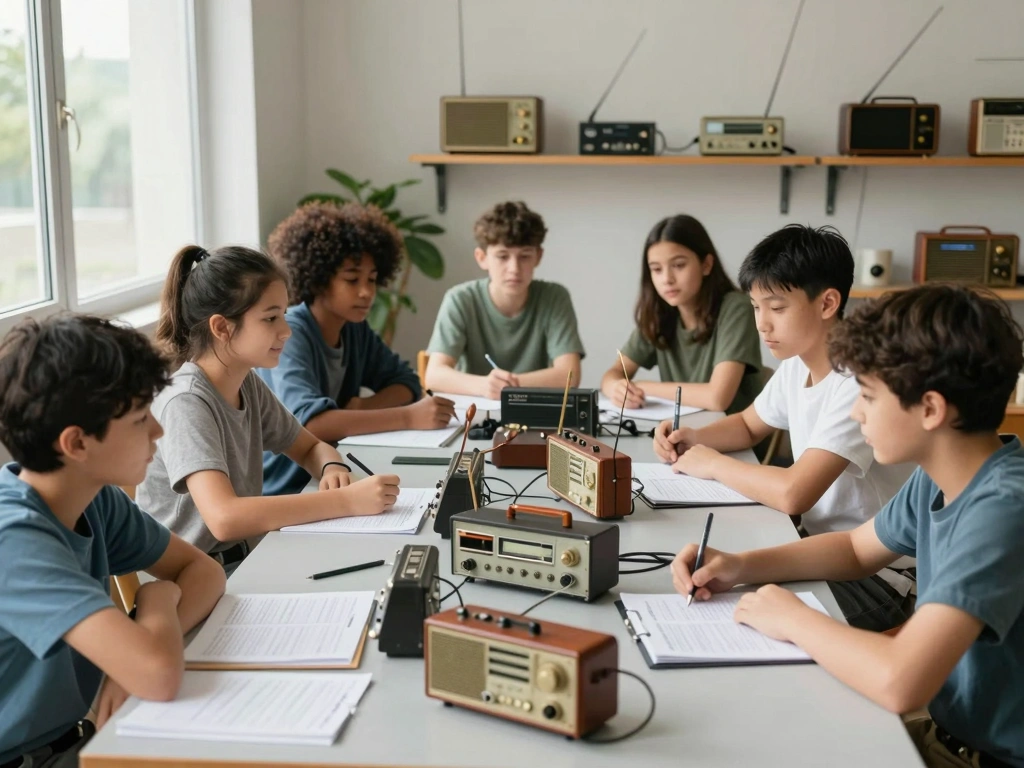
Introduction to Screen-Free Toys
In an increasingly digitized world, finding ways to keep children engaged without screens has become essential for their development. Screen-free toys offer unique avenues for interaction, fostering creativity while avoiding the pitfalls of excessive screen time. Engaging children in imaginative play not only entertains them but also enables them to develop essential life skills. Parents and guardians looking for innovative ideas to stimulate their children's creativity can learn more today about the diverse options available.
Benefits of Screen-Free Play
Screen-free play provides a variety of benefits for children. Unlike passive screen time, engaging in physical play encourages active participation and exploration, which are critical for healthy development. Screen-free toys, such as building blocks, art supplies, and interactive games, inspire children to use their imagination, thus enhancing cognitive and motor skills.
Moreover, playing without screens fosters deeper social interactions among peers. Children learn to communicate, cooperate, and negotiate, essential skills that contribute to their emotional intelligence. In essence, screen-free play allows kids to cultivate a well-rounded set of abilities that screens alone cannot provide.
Types of Toys That Foster Creativity
The types of toys that encourage creative thought and expression are varied and abundant. Art supplies like paints, markers, and clay provide children with numerous ways to express themselves artistically. Creative building toys such as LEGO blocks or magnetic tiles allow for open-ended construction, enabling children to manifest their ideas physically.
Additionally, role-playing toys, such as dolls, action figures, or costumes, encourage children to act out stories and scenarios, stimulating their imagination. Storytelling kits and puppet theaters can also nurture narrative skills and creativity, making them excellent choices for enriching playtime experiences.
Importance of Imaginative Play
Imaginative play is more than just entertainment; it is a critical component of cognitive and emotional development. Through role-playing and creative storytelling, children explore diverse perspectives, which fosters empathy and understanding.
Moreover, imaginative play helps children develop problem-solving skills. When they encounter challenges during play, they must think critically to overcome these obstacles. This process not only enhances cognitive abilities but also prepares them for real-life situations.
Developmental Benefits
Enhancing Cognitive Skills
Cognitive skills are essential for learning and development, and screen-free toys can significantly improve these skills. Engaging with puzzles, logic games, and educational toys aids in developing memory, attention span, and decision-making capabilities.
As children navigate through games or building activities, they learn to plan ahead, foresee outcomes, and adapt their strategies. Participation in such activities lays the groundwork for academic success and comprehensive problem-solving abilities.
Promoting Social Interaction
Social interaction is a vital element of a child's growth. Screen-free toys that require cooperative play, such as board games or team construction projects, provide children with the opportunity to learn social norms and practice teamwork.
By interacting with peers during play, children develop communication skills, emotional regulation, and conflict resolution strategies. These experiences are paramount in preparing children for future social contexts both in and out of school.
Boosting Emotional Well-Being
Emotional well-being is closely linked to healthy play habits. Screen-free toys encourage self-expression, which helps children articulate their feelings and thoughts. Activities like painting or dramatizing stories allow them to process emotions in a safe environment.
Furthermore, the benefits of screen-free play in reducing anxiety and fostering joy are significant. Engaging with toys and peers often leads to laughter and bonding, both crucial for mental health and positive self-esteem development.
Creative Play Ideas
Crafting Projects for Children
Crafting projects can be a delightful way to engage children in constructive activities. Simple materials such as cardboard, paper, glue, and scissors can lead to imaginative creations. Hosting crafting sessions at home provides children with the freedom to express themselves artistically.
Consider seasonal crafts, such as making holiday decorations or exploring cultural crafts from around the world. This not only enhances creativity but also teaches children about diversity and history.
Outdoor Activities with Toys
Outdoor play is essential for children's physical health and fosters creativity in nature. Activities such as scavenger hunts using natural materials or building forts with sticks and leaves allow children to explore their surroundings.
Outdoor games, like tag, hide and seek, or obstacle courses, not only give physical activity but also encourage teamwork and imaginative scenarios. This synergy with nature amplifies the learning and play experience.
Building Challenges and Games
Building challenges are excellent for engaging children’s minds and bodies. Using various materials, like blocks, LEGOs, or recycled items, children can be tasked with constructing specific projects. Setting a theme can inspire creativity—such as building the tallest tower or a model of a historical landmark.
Furthermore, engaging family members in these challenges enhances collaboration, promotes healthy competition, and reinforces family bonding time.

Choosing the Right Toys
Consideration of Age Appropriateness
When selecting toys for screen-free play, it's crucial to consider the child's age and developmental stage. Toys should be suitable for their cognitive and physical capabilities to prevent frustration and promote engagement.
For instance, toddlers benefit from large, easy-to-handled blocks, while older children may enjoy more complex kits that challenge them to think critically. Different age ranges require adaptable toys that grow with the child.
Safety Standards and Materials
Safety is paramount when it comes to selecting toys for children. Parents should always check for safety certifications and be vigilant about toxic materials. Opting for toys made from sustainable, non-toxic materials increases their peace of mind and focuses on children's health.
Additionally, be cautious of small parts that could pose choking hazards for younger children. Informing oneself about product recalls or safety reports can also significantly contribute to a safe play environment.
Encouraging Open-Ended Play
Open-ended toys are those that children can use in multiple ways, thereby fostering creativity and imagination. Selecting toys like blocks, dress-up clothes, or art supplies allows children to dictate their playtime direction.
This freedom boosts decision-making skills and promotes creative thinking, which is vital for their overall development. Parents are encouraged to facilitate environments rich with opportunities for open-ended play.
FAQs on Screen-Free Activities
What are the benefits of screen-free toys?
Screen-free toys enhance creativity, promote social interaction, and support cognitive and emotional development. They encourage active participation, critical thinking, and help cultivate life skills that screen time often lacks.
How can I encourage my child to play without screens?
Encourage screen-free play by providing diverse toys, engaging in playtime together, setting aside screen-free hours, and creating a designated play area that fosters creativity and exploration.
What types of toys foster creativity best?
Toys that foster creativity include art supplies, building blocks, role-playing sets, and open-ended toys that allow children to explore their imagination without fixed outcomes.
Are screen-free toys safe for all ages?
Many screen-free toys are designed with age-appropriate features and safety standards. Always check the label for age recommendations to choose toys that match children’s developmental skills.
How often should kids engage in screen-free play?
Experts recommend that children engage in screen-free play daily, with a balance of different activities. Limiting screen time allows kids to explore more creatively and socially through alternative means.