Understanding the Basics of Car Detailing
What is Car Detailing?
Car detailing goes beyond a simple wash and wax; it is a thorough cleaning and reconditioning of both the interior and exterior of a vehicle. This process involves meticulous attention to detail, often using specialized products and techniques to restore the car's appearance. Unlike regular car washes, which may focus primarily on the exterior, detailing encompasses all aspects of car cleanliness and maintenance, ensuring that every nook and cranny is addressed.
Why Car Detailing Matters
Detailed cars not only look better but can also retain their value longer. Regular detailing protects the paintwork from damage caused by environmental factors, such as UV rays, bird droppings, and tree sap, which can lead to expensive repairs. Additionally, a well-maintained interior enhances the driving experience, creates a healthier environment by removing allergens, and can significantly boost resale value. For these reasons, it is essential to understand what products do I need to detail my car effectively.
Common Myths About Car Detailing
Many misconceptions surround car detailing, which can lead to poor practices. One common myth is that detailing is only for luxury vehicles; however, every car can benefit from routine detailing. Another myth is that DIY detailing is as effective as professional services. While DIY can be adequate for basic cleaning, professionals often have access to superior products and techniques that deliver higher quality results.
What Products Do I Need to Detail My Car Externally?
Essential Cleaning Supplies
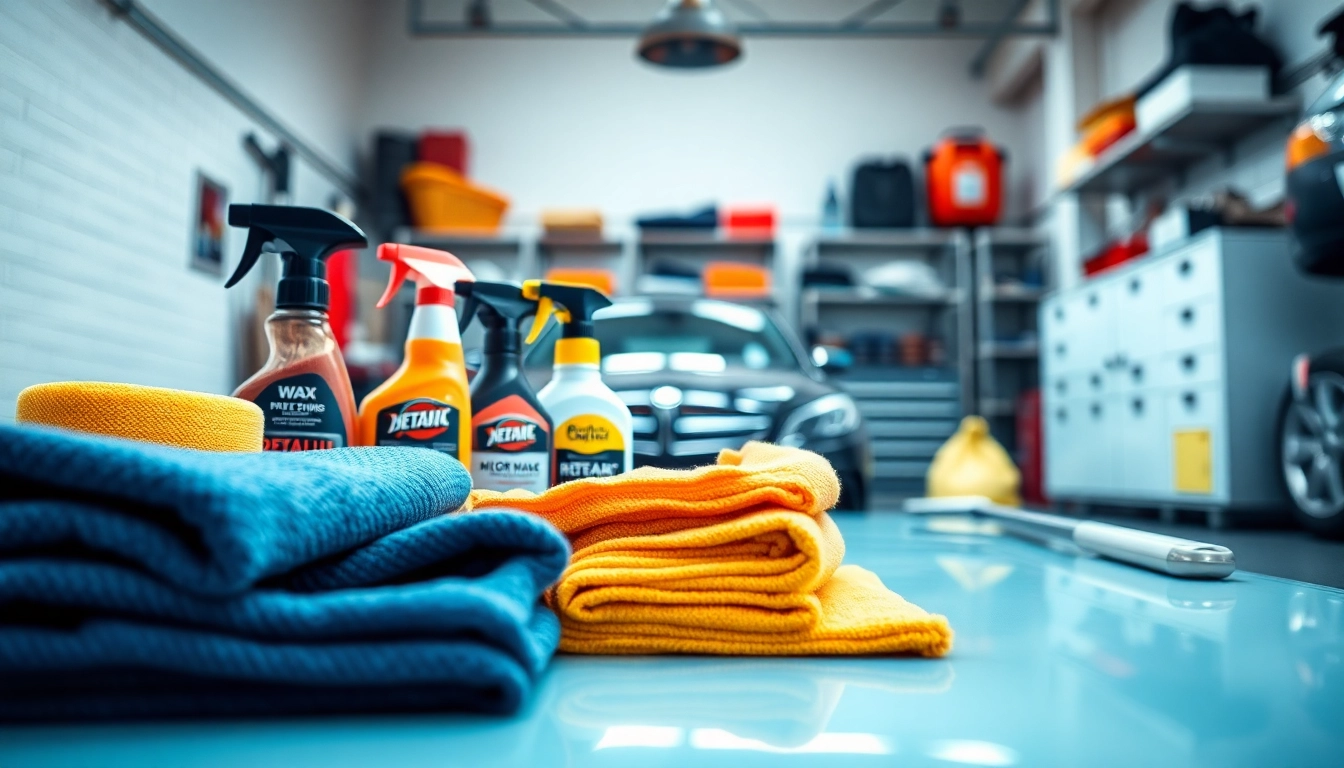
To properly detail a car's exterior, one must first gather the right cleaning supplies. Essential items include:
- Car Wash Soap: Choose a pH-balanced formula designed for automotive finishes.
- Microfiber Towels: These are crucial for avoiding scratches while drying and polishing.
- Wash Mitts: A soft mitt allows for effective cleaning without damaging the paint.
- Wheel Cleaner: A specialized cleaner helps remove brake dust and grime from wheels.
- Clay Bar: This tool removes bonded contaminants from the paint surface, preparing it for waxing.
Protective Products for Exterior
After washing, it's vital to protect the vehicle's surface. Here are key protective products:
- Wax or Sealant: Wax gives the car a deep shine and protects paint from UV rays and contaminants.
- Glass Cleaner: A streak-free cleaner ensures clear visibility on windows and mirrors.
- Tire Dressing: This product makes tires look new while protecting them from cracking and fading.
- Trim Restorer: For plastic and rubber trim, a restorer can revitalize faded areas.
Tools for Exterior Maintenance
In addition to products, specific tools are essential for effective exterior car detailing:
- Buckets: Use a two-bucket method (one for soapy water and the other for rinsing) to minimize dirt transfer.
- Garden Hose or Pressure Washer: A pressure washer may yield better results, but ensure it’s set to a safe level for car washing.
- Detailing Brushes: These are great for cleaning tough spots like around badges and in wheel wells.
What Products Do I Need to Detail My Car Internally?
Best Cleaning Solutions for Interiors
Interior detailing requires a different set of products, which include:
- All-Purpose Cleaner: Suitable for most surfaces, allowing you to clean upholstery, plastic, and rubber.
- Glass Cleaner: Use this to achieve a streak-free finish on all interior glass surfaces.
- Fabric or Upholstery Cleaner: These are specialized for cleaning fabric seats and carpets, often in the form of foams or liquids.
Tools for Vacuuming and Dusting
Vacuuming is essential in the internal detailing process. Key tools include:
- Vacuum Cleaner: A shop-vac or handheld vacuum with attachments to reach tight spots is ideal.
- Microfiber Cloths: These are great for dusting and maintaining a soft touch on surfaces.
- Brushes: Small brushes can help dislodge dirt from seams and crevices.
Protective and Conditioning Products
Protecting the interior surfaces is critical for longevity; thus, consider these products:
- Leather Conditioner: If your car has leather seats, conditioning will prevent cracking and fading.
- Fabric Protector: Helps repel spills and stains for fabric seats and carpets.
- Odor Eliminator: This product helps fight lingering smells from food, pets, and smoke.
Step-by-Step Guide on Using Detailing Products
Prepping the Vehicle
Before detailing, prepare your vehicle by removing all personal items and trash. For exterior detailing, park in a shaded area to prevent products from drying too quickly. For interiors, ensure good ventilation and have a clutter-free workspace.
Application Techniques
When applying products:
- Always use a two-bucket method for washing the exterior to avoid scratches.
- When waxing, apply in small, circular motions using an applicator pad, allowing time to dry before buffing off any excess.
- For interiors, start from the highest point and work your way down, ensuring dirt doesn't fall on previously cleaned areas.
Post-Detail Care and Maintenance
After detailing, avoid washing the car for a week to allow wax and sealants to cure and protect the paint. Regularly use detail spray or quick wax for maintenance between full detail sessions. Additionally, store detailing products in a cool, dry place to prolong their effectiveness.
Frequently Asked Questions
How often should I detail my car?
It's advisable to detail your car every 3 to 6 months, but this may vary based on environmental conditions and usage.
Can I use household products for detailing?
While some household products may work, it's best to use automotive-specific products designed for cars to avoid damage.
What tools are best for beginners?
Beginners should start with basic microfiber towels, a vacuum, a good car wash soap, and a variety of brushes for cleaning.
Is professional detailing worth it?
Professional detailing can be worth the investment for those seeking a deep clean and protection that may be difficult to achieve at home.
How do I maintain my detailing products?
Store products in a cool, dry place and ensure lids are tightly sealed to avoid evaporation and contamination.