
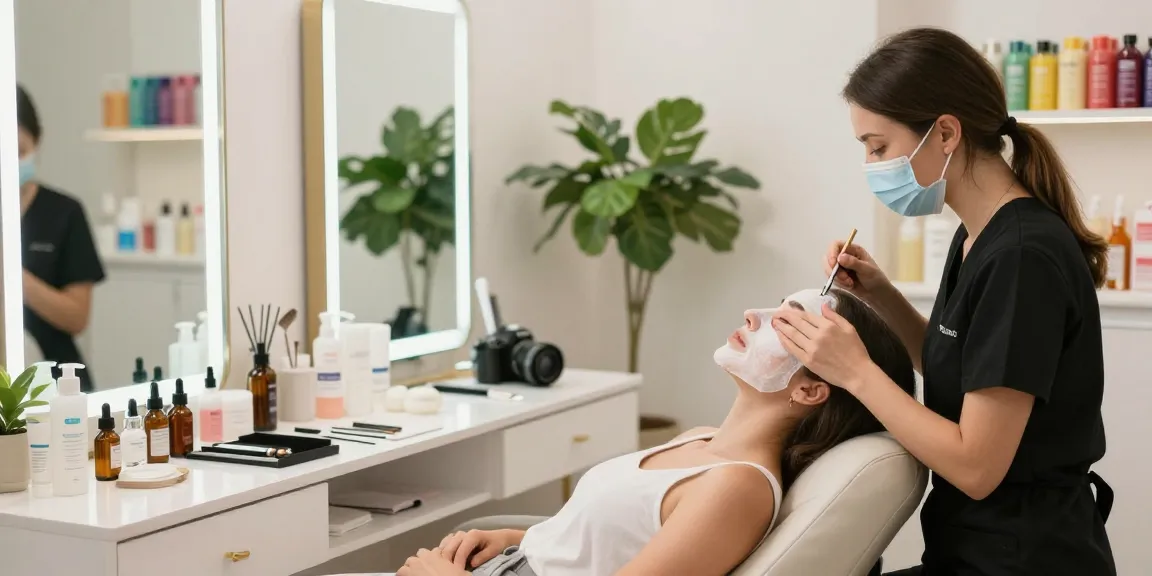
Understanding Facial Aging: How Old Do I Look?
Have you ever caught a glimpse of yourself in the mirror and wondered how old do I look? Facial aging is a complex process influenced by various factors, from genetics to lifestyle choices. As the world becomes more image-conscious, understanding how to accurately assess one's perceived age is essential. In this article, we will delve into the science behind facial aging, how technology aids in age estimation, and offer insights into skincare practices that can help maintain a youthful appearance.
The Science Behind Facial Aging
Facial aging is not merely a result of chronological age; it involves numerous biological and environmental factors. Various elements contribute to how old one appears, including skin texture, elasticity, and the presence of wrinkles. Studies have shown that sun exposure, pollution, and smoking can significantly accelerate skin aging, leading to a prematurely aged appearance. This understanding lays the groundwork for comprehending how we can influence our aging process.
Common Misconceptions About Age Appearance
Many people believe that aging is solely determined by genetics. While genetic makeup plays a significant role, external factors such as diet, hydration, and skincare practices are equally crucial. For instance, a well-hydrated skin can minimize the appearance of fine lines and wrinkles, leading to a more youthful look. Furthermore, societal beauty standards can distort perceptions of age, leading individuals to believe they look older or younger than they actually are.
Factors Influencing Your Perceived Age
- Genetics: Inherited traits can dictate skin elasticity and aging patterns.
- Lifestyle Choices: Smoking, alcohol consumption, and diet have direct effects on skin health.
- Sun Exposure: UV rays contribute to skin damage and aging.
- Stress: Chronic stress can lead to premature aging, affecting skin quality and vitality.
Using Technology to Determine Your Age: AI and Photos
With advancements in technology, the question of how old do I look can be answered more accurately than ever. AI-driven tools are increasingly popular, offering users an insight into their perceived age based on facial analysis. These tools employ complex algorithms to evaluate various facial features and provide age estimates that are surprisingly accurate.
How AI Estimation Works
AI age estimation relies on machine learning models trained on thousands of images. These models analyze features such as wrinkle depth, skin texture, and facial contouring to generate an age estimate. Such systems can be found in various applications and online tools, enabling anyone to discover how old they look by simply uploading a photograph.
Popular Apps for Age Prediction
Several apps have gained popularity for their age estimation capabilities. Services like how old do I look allow users to upload a photo and receive instant feedback on their biological age. Other competitors include FaceAge.ai and Fotor, both of which provide similar functionalities, demonstrating the increasing intersection of beauty, technology, and self-perception.
Privacy Considerations When Using Online Tools
While these technologies offer exciting possibilities, users should remain cautious about their privacy. Uploading personal images to online platforms can raise concerns regarding data security. It is essential to choose services that prioritize user privacy and clarify their data usage policies. Reading reviews and understanding terms of service can help ensure a safe experience.
Skincare Practices That Can Affect How Old You Look
Achieving a youthful appearance is not solely about genetics or technology; it also involves consistently following effective skincare practices. Establishing a routine can significantly influence how old one looks over time.
Essential Products to Consider for Youthful Skin
- Moisturizers: Hydrated skin appears plumper and more youthful.
- Sunscreen: Daily use of sunscreen prevents UV damage, a major factor in skin aging.
- Retinoids: These vitamin A derivatives promote cell turnover, reducing the appearance of fine lines.
- Antioxidants: Products containing vitamins C and E help combat oxidative stress and brighten skin.
Daily Routines for Maintaining a Fresh Appearance
A solid skincare routine is fundamental for maintaining vitality. Incorporating cleansing, exfoliating, and moisturizing into daily practices can enhance skin quality. A typical routine might involve:
- Gentle cleansing to remove dirt and makeup.
- Exfoliation 2-3 times a week to eliminate dead skin cells.
- Application of serums rich in antioxidants and vitamins.
- Daily moisturizing and sunscreen application.
Professional Treatments: Which Ones Deliver Results?
For those seeking quicker results, professional treatments such as chemical peels, microneedling, and laser therapy can rejuvenate the skin effectively. These procedures stimulate collagen production and can significantly improve skin texture and elasticity. However, it’s important to consult with a licensed dermatologist to determine the best approach based on individual skin types and concerns.
Real-life Case Studies: How Old Do I Look?
Understanding the lived experiences of others can provide valuable insights into the effectiveness of age estimation tools and skincare practices. Testimonials highlight how individuals perceive their age compared to the estimates provided by various applications.
Testimonials from Users of Age Estimation Tools
Many users report varying results when using AI tools for age estimation. Some find the tools strikingly accurate, while others express skepticism. Responses often highlight the subjective nature of aging and how personal biases can affect opinions on one's appearance.
Before and After: The Impact of Skincare Regimens
Numerous case studies illustrate the dramatic effects of consistent skincare routines. Users who adopted comprehensive regimens incorporating recommended products reported improved skin texture and a more youthful appearance, reinforcing the importance of skincare in perceived aging.
Expert Opinions on Age Estimation Accuracy
Experts agree that while AI-powered age estimation tools are improving, their accuracy can vary. Factors such as lighting in the uploaded photographs, facial expression, and even the angle of the shot can impact results. Therefore, these tools should be used for entertainment rather than providing definitive age assessments.
Future Trends in Age Prediction: What to Expect by 2026
The landscape of age estimation is rapidly evolving. With advancements in AI and imaging technology, we can anticipate significant improvements in accuracy and user experience in the coming years.
Advancements in AI and Image Analysis
By 2026, we expect AI algorithms to become even more sophisticated, taking into account a broader range of variables when estimating age. This could lead to personalized recommendations for skincare products and regimens tailored to individual needs.
Integrating Skincare Solutions with Age Estimation
As technology continues to develop, we may see more integrations between age estimation tools and skincare product recommendations. Imagine a service that not only tells you how old you look but also suggests targeted products to improve your skin vitality based on that assessment.
What Consumers Should Look For in the Coming Years
Consumers should stay informed about developments in AI tools and their implications for skincare. Understanding the science behind these technologies can help users make informed decisions about their skincare and beauty practices while maintaining a critical eye toward privacy and security.
What is the best way to estimate my age online?
The most effective way to estimate your age online is by using reputable AI-driven applications that utilize advanced algorithms for facial analysis. Look for tools that prioritize user privacy and provide detailed insights into how age estimates are generated.
Are AI age estimators accurate?
While AI age estimators have shown promising results, accuracy can vary based on multiple factors. The technology is improving, but it's important to remember that these tools are best used for fun rather than as definitive assessments.
What skincare products help reduce the appearance of age?
Products that promote hydration, enhance elasticity, and protect against sun damage are key in reducing visible signs of aging. Look for moisturizers, retinoids, antioxidants, and broad-spectrum sunscreens.
Can I trust age guessing apps with my data?
Always choose age guessing apps that prioritize user privacy and clearly outline their data usage policies. It's essential to read user reviews and research the app’s credibility before uploading personal images.
How often should I update my skincare routine?
Skincare should be an evolving practice. Regularly reassess your skincare routine based on changes in your skin condition, seasonal factors, and advancements in skincare technology to ensure optimal results.