Understanding the Automotive Market in 2026
The automotive landscape has seen remarkable transformations over the past few years, driven by technological advancements, shifting consumer preferences, and evolving market dynamics. In 2026, the parcare auto industry is positioned at the forefront of these changes, influenced by both traditional and emerging factors. This article delves into current trends in automobile sales, key market drivers, and the preferences shaping consumer purchasing decisions in today’s market.
Current Trends in parcare auto Sales
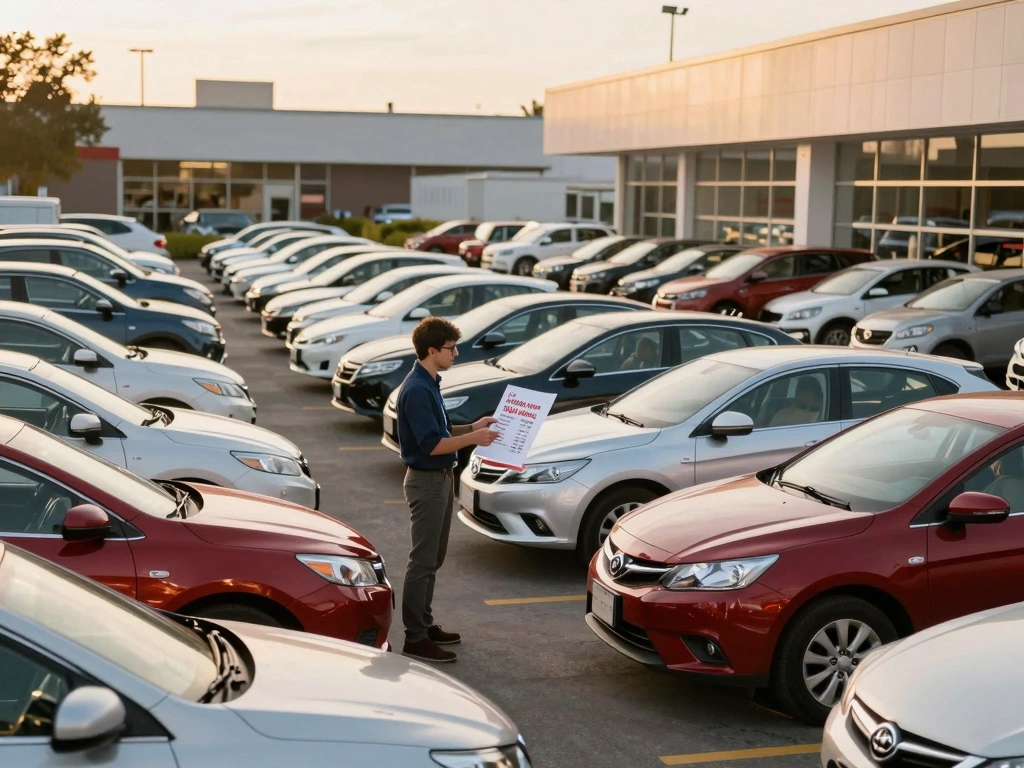
In recent years, the trend in automobile sales has gravitated towards used vehicles rather than new models. This shift can primarily be attributed to various factors, including economic considerations and a growing acceptance of high-quality, pre-owned cars. Dealerships specializing in verified second-hand cars have gained traction, offering consumers reliable options without breaking the bank.
- Increased Demand for Electric Vehicles (EVs): The push for sustainability has led to a surge in the demand for electric cars, with consumers seeking environmentally friendly alternatives.
- Technological Integration: Vehicles now come equipped with advanced technology features, such as autonomous driving capabilities and integrated smart systems, attracting tech-savvy buyers.
- Online Car Buying: The rise of digital platforms has simplified the car-buying process, allowing consumers to explore options from the comfort of their homes.
Key Market Drivers in the Automotive Sector
Several key drivers are shaping the automotive market. Government incentives for electric vehicles, technological innovations, and shifting social attitudes towards car ownership are significant contributors. For instance, various countries offer tax rebates for EV purchases, which significantly boosts their appeal among consumers.
Moreover, the growing awareness of climate change has encouraged consumers to consider eco-friendly vehicles. As a result, manufacturers are investing heavily in developing cleaner, more energy-efficient models, thus driving innovation and sales in the automotive sector.
Consumer Preferences Shaping Purchasing Decisions
Modern consumers are more informed and discerning than ever before. They prioritize aspects such as fuel efficiency, safety ratings, and the availability of advanced technology when selecting a vehicle. Many consumers also value transparency regarding vehicle history and reliability, which is where verified dealerships excel.
Another notable trend is the shift towards financing options that cater to diverse financial backgrounds. Customers increasingly prefer flexible payment plans over traditional lump sum payments, allowing them to manage their budgets better while still acquiring the vehicles they need.
Financing Options for Modern Car Buyers
As the automotive market evolves, so do the financing options available to consumers. In 2026, potential car buyers can choose from a variety of financing solutions tailored to individual needs and financial circumstances. Understanding these options is crucial for making informed decisions when purchasing a vehicle.
Understanding Credit Options Available
Credit options are not one-size-fits-all; they vary widely based on factors such as credit scores and financial histories. Lenders are becoming more competitive, offering diverse financing plans that cater to both high and low credit scores. This development enables more consumers to access affordable vehicle financing, expanding the customer base for dealerships.
Personalized Financing Solutions for Each Buyer
Many dealerships are now equipped to provide personalized financing solutions. This means potential buyers can expect tailored recommendations that align with their financial situations. Options such as trade-in credits and tailored loan terms can significantly influence a buyer's decision-making process.
The Role of First Payment Promotions
Dealerships are increasingly leveraging first payment promotions as a tactic to attract buyers. With initial payments starting as low as €100, as seen in many offers, this strategy helps reduce the barrier to entry, making car ownership more accessible for a broader audience. Furthermore, such promotions can enhance customer loyalty and satisfaction.
Benefits of Purchasing from Verified Dealerships
When it comes to buying a car, the credibility of the dealership can make a significant difference in the overall experience. Verified dealerships play a vital role in ensuring consumer trust and satisfaction.
Ensuring Quality with Verified Kilometer Data
One of the key benefits of purchasing from verified dealerships is the assurance of accurate kilometer data. Many consumers are concerned about the reliability of used cars, and verified dealerships address this concern by providing documented histories of their vehicles. This transparency fosters trust and encourages buyers to make informed decisions.
Legal Documentation and Support Offered
Another important aspect is the legal documentation and support that verified dealerships offer. From contract finalization to insurance options, these dealerships provide comprehensive services that simplify the buying process and ensure that all legalities are addressed. This is particularly beneficial for first-time car buyers who may feel overwhelmed by the paperwork involved.
Why Trust Matters in parcare auto
Trust is a cornerstone in the automotive industry, especially in the parcare auto sector. With numerous choices available, consumers are likely to choose dealerships that they trust. Verified dealerships build this trust through transparency, reliability, and outstanding customer service. Establishing a strong reputation can lead to repeat business and referrals, which are crucial for long-term success.
Evaluating the Most Popular Vehicle Brands
The vehicle brands that dominate the market are often driven by consumer preferences and brand loyalty. In 2026, understanding these trends can help potential buyers make more informed decisions.
Overview of Leading Car Brands Available
Leading brands, such as Volkswagen, BMW, and Toyota, continue to capture significant market share, thanks to their renowned quality and reliability. Furthermore, these brands are adapting to the changing environment by investing in electric and hybrid technologies to meet consumer demands.
Electric vs. Traditional Fuel Options
The debate between electric and traditional fuel options is becoming increasingly relevant as technology advances. Electric vehicles are praised for their eco-friendliness and cost savings on fuel, while traditional vehicles are recognized for their versatility and established infrastructure. Buyers must weigh these considerations based on their personal needs and preferences.
Brand Loyalty Trends Among Car Buyers
Brand loyalty remains a major factor in car buying trends. Many consumers gravitate towards brands they have previously owned or those that come highly recommended. This loyalty is often rooted in positive past experiences, making it a powerful influence in purchasing decisions.
Future of parcare auto: Predictions for 2026 and Beyond
The automotive industry is rapidly evolving, and by 2026, it is likely to undergo further significant changes. Industry stakeholders must stay ahead of future trends to remain competitive.
Emerging Technologies in Automotive Sales
Technological advancements, including AI-driven sales platforms and virtual reality showrooms, are transforming how cars are marketed and sold. These technologies improve the customer experience by allowing buyers to interact with vehicles in immersive environments, promoting informed decision-making.
Impact of Electric Vehicles on the Market
Electric vehicles will continue to gain traction as manufacturers aim to meet stricter environmental regulations and consumer demand. This rise will significantly impact market dynamics, including the development of new infrastructure for charging stations and maintenance services specifically for electric vehicles.
Anticipating Changes in Consumer Behavior
Consumer behavior is inherently tricky to predict, but trends suggest a growing preference for sustainability and technology in vehicle purchases. Future buyers are likely to prioritize eco-friendly options and advanced technology features, influencing manufacturers’ production decisions and marketing strategies.
What are the most popular vehicles in the automotive market?
Popular vehicles in today’s market include SUVs, sedans, and electric vehicles from both traditional brands and new entrants. The preference for SUVs, for instance, has surged due to their versatility and spaciousness.
How is financing changing for car buyers in 2026?
Financing options are becoming increasingly flexible, with more personalized solutions available for buyers. This flexibility, paired with low initial payments, is likely to reshape how consumers approach car purchases.
What should buyers consider when purchasing a used vehicle?
When buying a used vehicle, buyers should consider the vehicle's history, mileage, and the reputation of the dealership. It is crucial to choose a trusted source to ensure they receive a quality product.
How do verified dealerships impact consumer trust?
Verified dealerships enhance consumer trust through transparency and accountability, providing reliable vehicle histories and ensuring compliance with legal requirements.
What are the future trends in parcare auto?
Future trends point towards an increased focus on electric vehicles, personalized customer experiences, and continued innovation in automotive technology, all of which will significantly shape the parcare auto landscape.