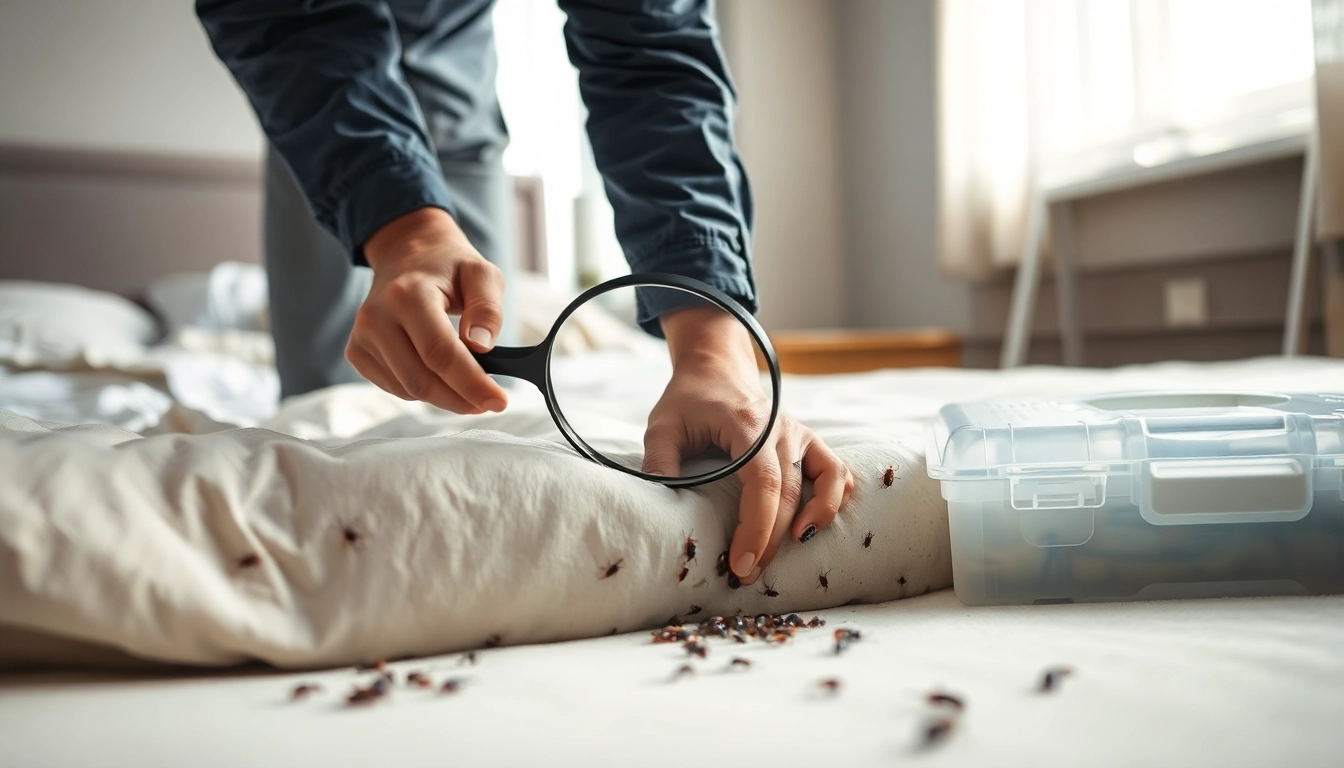
Understanding Bed Bug Infestations
What Are Bed Bugs?
Bed bugs (Cimex lectularius) are small, parasitic insects that feed on the blood of humans and animals. They are nocturnal and typically hide in dark crevices during the day, making them difficult to detect. Adult bed bugs are approximately the size of an apple seed, with a flat, oval body. Their color ranges from light brown to red, depending on their feeding status. Bed bugs have become a widespread issue in households, hotels, and public transportation systems due to their ability to travel unnoticed in luggage, clothing, and used furniture.
Signs of a Bed Bug Problem
Identifying a bed bug problem early is critical for effective bed bug pest control. Key signs to look out for include:
- Blood Stains: Small reddish-brown spots on your sheets or mattress may indicate bed bug feeding.
- Dark Spots: Fecal matter appears as small dark flecks and can be found on bedding or furniture.
- Eggs and Shed Skins: Bed bug eggs are tiny (about 1mm), and their shells resemble small, empty brown capsules.
- Live Bugs: Spotting live bed bugs in seams of mattresses, behind headboards, and along baseboards indicates a significant infestation.
Health Risks Associated with Bed Bugs
While bed bugs are not known to transmit diseases, their bites can cause several health issues. Common symptoms from bites include redness, swelling, itching, and, in severe cases, allergic reactions. Additionally, excessive scratching of bite areas may lead to secondary infections. The psychological impact of bed bug infestations can also be significant, resulting in anxiety, insomnia, and stress.
Best Practices in Bed Bug Pest Control
Preventive Measures for Your Home
Prevention is the first line of defense in bed bug pest control. Here are some effective strategies:
- Regular Inspections: Routinely check for signs of bed bugs, especially after travels or visits to public places.
- Decluttering: Reduce clutter in bedrooms to minimize bed bug hiding spots.
- Wash Bedding: Regularly wash and heat-dry bedding, blankets, and clothing on high settings.
- Protective Covers: Use mattress and box spring encasements designed to keep bed bugs out.
Using Non-Chemical Methods
Non-chemical solutions can be highly effective in controlling and eliminating bed bugs. Steam cleaning carpets, upholstery, and mattresses can kill bed bugs and their eggs. Freezing infested items for at least four days at 0°F (-18°C) is another effective method. Vacuuming frequently and disposing of the vacuum bag properly also helps remove bed bugs and their habitats.
When to Call a Professional for Bed Bug Pest Control
Despite your best prevention efforts, infestations can still occur. If you notice several signs of bed bugs and your DIY efforts haven't been effective, it's crucial to call a professional exterminator. Professionals have access to advanced treatments and equipment not available to the average homeowner. They can create a comprehensive treatment plan tailored to your specific needs for effective bed bug removal.
Effective Treatment Options for Bed Bugs
Heat Treatments Explained
Heat treatment is one of the most effective methods for eliminating bed bugs. By raising the environmental temperature to about 120°F (49°C), all bed bugs and their eggs can be killed. This method often involves using specialized equipment that distributes heat evenly throughout the affected areas, including furniture and wall cavities. Heat treatments can often be completed in a single day, reducing the duration of the infestation significantly.
Insecticide Use Guidelines
When using insecticides for bed bug control, it is critical to follow the instructions provided by the manufacturer. Effective insecticides include pyrethroids, which are designed to target the nervous system of bed bugs. It's vital to apply these insecticides to all affected areas, including cracks, crevices, and surfaces where bed bugs may hide. Always ensure adequate ventilation during and after application, and consider professional assistance if you're inexperienced with pest control chemicals.
Evaluating DIY Methods versus Professional Solutions
Many homeowners wonder whether to tackle bed bug problems themselves or hire a professional. DIY methods, like vacuuming, steam cleaning, and using traps, can be effective for minor infestations. However, for larger or more persistent infestations, professional solutions that combine multiple strategies like insecticide application and heat treatment often prove more effective in the long term. Always assess the severity of the infestation before deciding which approach to take.
Post-Treatment Steps for Lasting Results
How to Prepare Your Space Before Treatment
Preparation is crucial when you're getting ready for treatment. Start by clearing general clutter, removing bedding and linens, and vacuuming thoroughly. Ensure that your bed frames, headboards, and furniture are accessible. Discuss with the technician about any specific requirements related to in-home treatment.
Maintaining a Bed Bug-Free Environment
After successful treatment, maintain a bed bug-free environment by adopting certain practices. Regularly inspect your home for signs of bed bugs, keep your belongings organized, and adhere to preventive measures previously mentioned. Ignoring these steps can lead to a resurgence of bed bugs after initial treatment.
Monitoring and Follow-Up Actions
Following treatment, maintain vigilance by monitoring your home for any signs of new infestations. Consider scheduling follow-up inspections with a pest control professional, as it might take time for all bed bugs to surface after treatment. Utilizing monitoring devices can also help track any bed bug activity in the future.
Frequently Asked Questions About Bed Bug Pest Control
What is the most effective method for bed bug pest control?
The most effective methods include heat treatments and insecticide application, preferably combined with professional pest control services for significant infestations.
How can I prevent bed bugs from entering my home?
Take preventive measures such as regular inspections, washing bedding, and using protective covers for mattresses to avoid bed bug entry.
How long does it take to get rid of bed bugs?
The duration varies; heat treatments may take a single day, while chemical treatments could take several weeks, depending on the severity of the infestation.
Can I treat bed bugs without chemicals?
Yes, non-chemical methods such as steam cleaning, vacuuming, and freezing infested items can effectively kill bed bugs and their eggs.
What should I do if bed bugs return after treatment?
If bed bugs return, it’s essential to contact a professional exterminator promptly, as re-treatments or alternative strategies might be necessary.